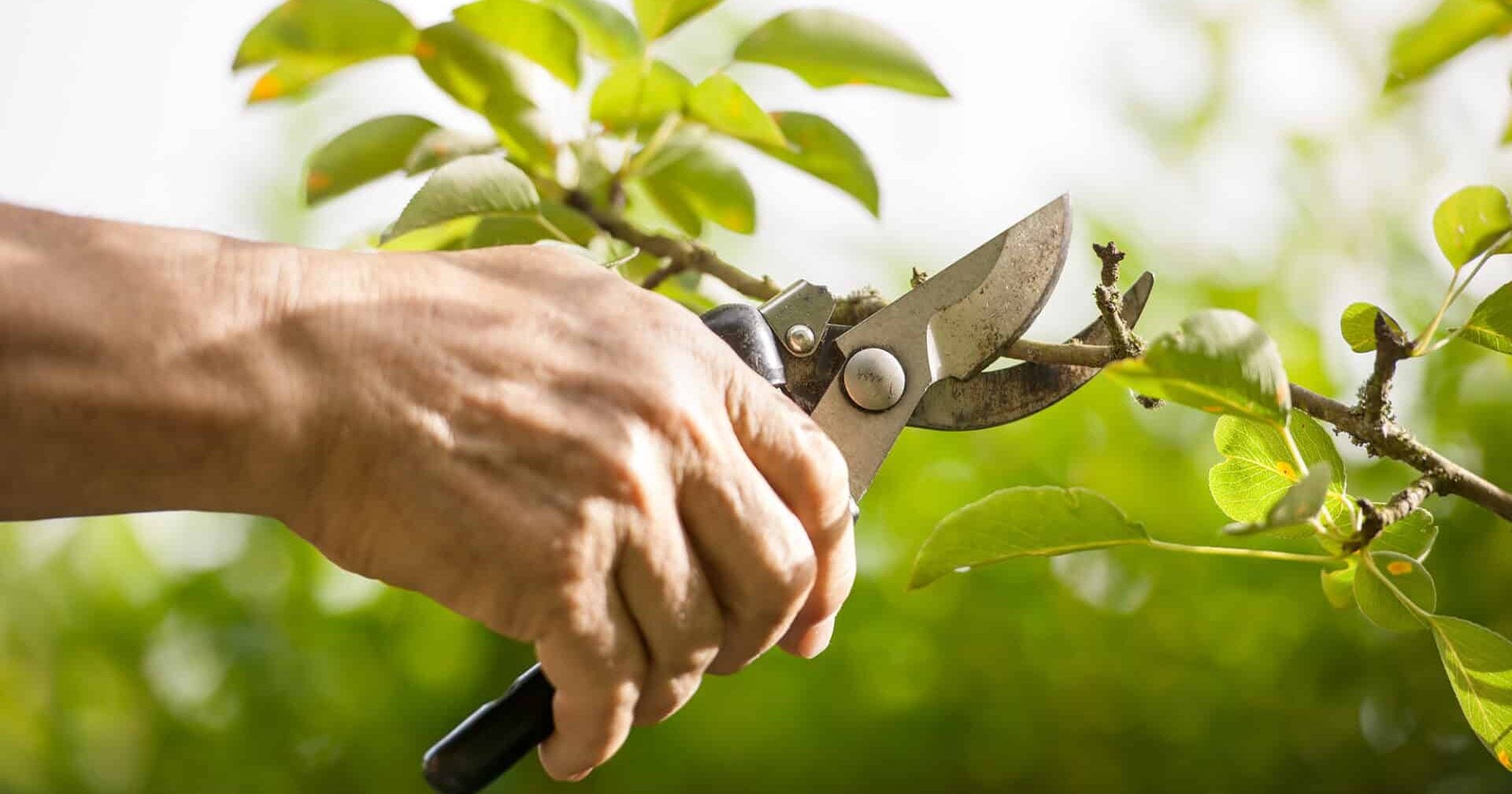
Fifteen-plus years of tree care in the Rochester area has taught us something homeowners don't always expect: fall, not spring, is when pruning does the most good. If your trees have been on your list all summer, don't cross the project off just because the weather is cooling down. Here's why we recommend fall pruning, and how to know if your property needs a look before winter arrives.
Trees Handle It Better This Time of Year
By fall, most trees have slowed down for the season. They're no longer pushing out new growth, which means a clean cut made now has time to seal before spring growth pushes through. Pruning during active growth can stress a tree and leave a fresh wound more exposed to pests and disease. Pruning during dormancy is easier on the tree — and it's the kind of long-term care that keeps trees healthy for years to come.
It's also easier on the work itself. Once the leaves are down, the structure of a tree is fully visible. Our crews can see exactly where branches are crossing, where weight has built up unevenly, and where a limb has started to weaken, instead of making judgment calls through a full canopy. That's what thorough pruning looks like: removing what actually needs to go and leaving the rest of the tree to do what it does best.
The Bigger Reason: What's Hanging Over Your Roof
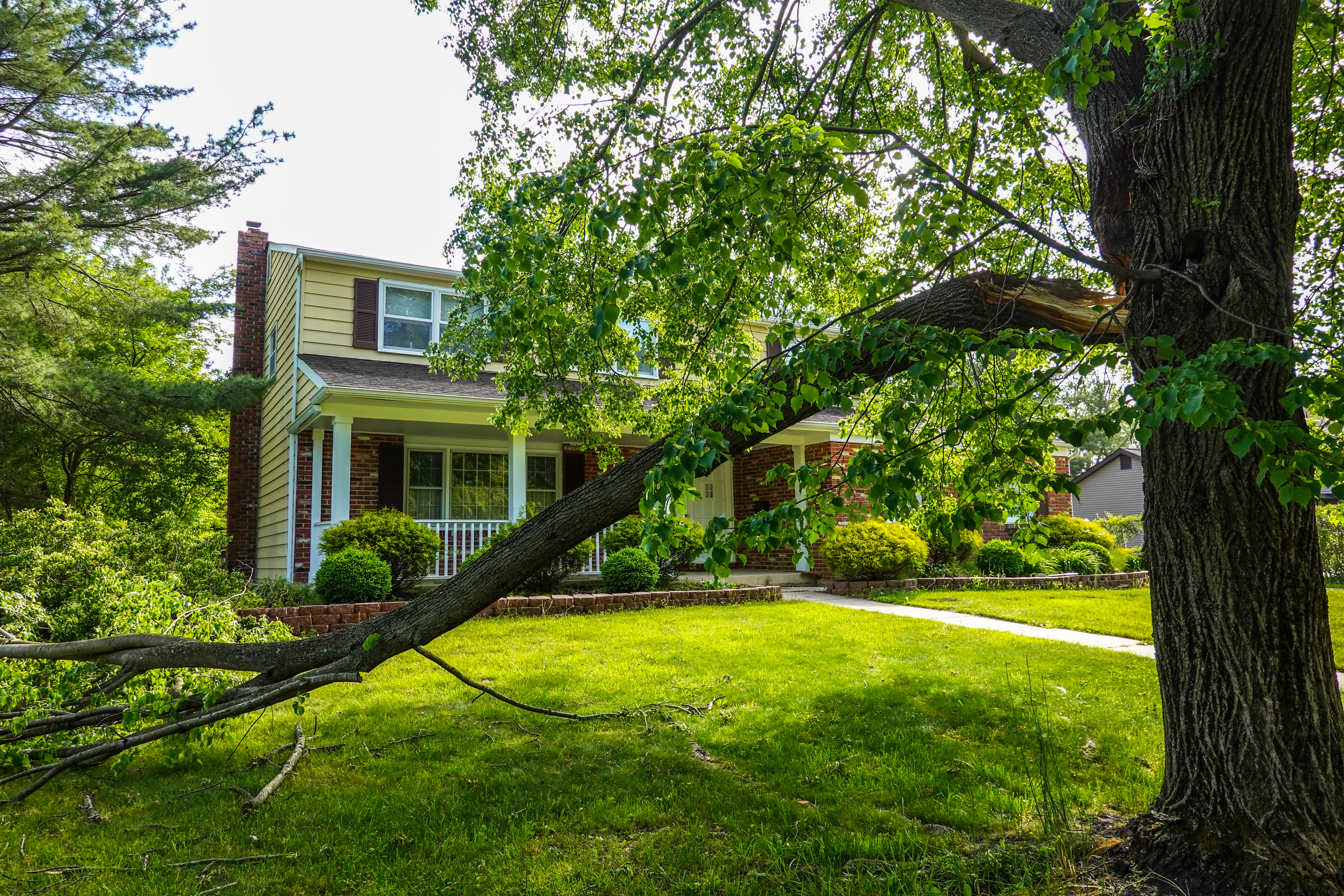
Pruning isn't only about the tree. It's about what's underneath it.
A branch that looks harmless in July carries weight very differently once it's holding an inch of ice or a foot of wet snow. That added weight can turn a limb that no one's thought twice about into a real risk for your roof, gutters, siding, or worse — and winter storms in this area don't always give much warning.
Getting limbs back off your roofline before winter is one of the most affordable ways to protect what's underneath them. Weighed against the cost of a roof repair or storm cleanup, a fall pruning visit is a small, worthwhile investment.
What to Look for on Your Own Property
You don't need a trained eye to spot what's worth watching. Walk your property and check for:
- Branches overhanging the roof, driveway, or power lines — anything with a clear path to your house or where you park.
- Dead or dying limbs — bare branches with no buds, or wood that looks noticeably different from the rest of the tree, are more likely to fail under weight.
- Crossing or rubbing branches — these wear on the tree over time and create weak points.
- Trees leaning more than they used to, or with roots visibly lifting — a possible sign of instability, especially in wet or windy conditions.
- Mature trees you haven't had assessed in a few years — even healthy-looking trees can develop hidden weak points as they age.
If any of that sounds familiar, it's worth having a professional take a clear, honest look before winter sets in — not necessarily to remove the tree, but to know exactly what you're working with.
Woodeez Tree Service: Care You Can Count On
At Woodeez Tree Service, we’re committed to keeping your trees healthy and your property safe. From trimming and pruning to full removals and storm cleanup, our skilled team handles it all with precision and care. Call us on 585-352-8733 or contact us today, and let’s keep your landscape beautiful and thriving.